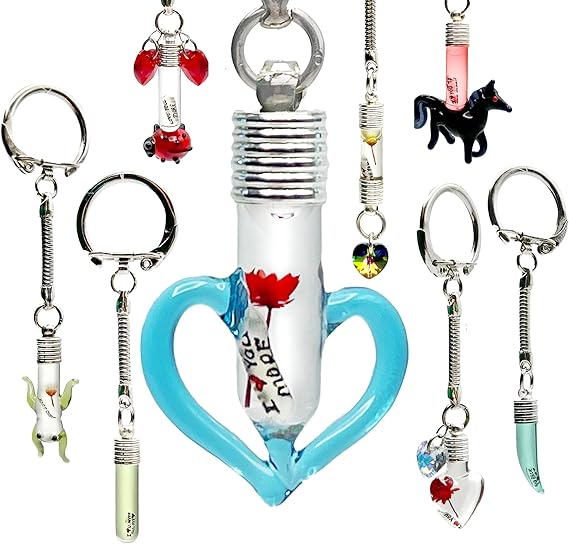
Personalize your Custom Treasure
In order for us to know what to write on your grain of Rice, we will need this form completed.
We recommend no more than 2 grains of rice for the miniature vials.
You can add more additional grains in larger vials +$1. Great for grandchildren's names.
A list of WORDS of ENCOURAGEMENT is available under PERSONALIZED RICE
Cramming 10 characters on a grain of rice

Rice Writing Technique
🌾 Rice Art: Symbolism, Craft, and Technique
✨ Symbolism and Meaning
Rice art has long been associated with good luck, prosperity, and positive energy. Because a single grain of rice represents nourishment and abundance, writing a name or message on it is believed to amplify blessings for the wearer. This symbolism is why rice art commonly appears in:
Good‑luck pendants
Hope bracelets
Cell‑phone charms
Personalized keepsakes
These tiny tokens are often gifted to convey affection, protection, or encouragement.
🛍️ The Life of a Rice Art Vendor
As the craft evolved, artisans began sealing the inscribed rice grain inside a small vial filled with oil or liquid. This liquid acts as a magnifier, making the miniature writing easier to see and admire.
Over time, this practice expanded into a variety of jewelry forms:
Necklaces and pendants
Charm bracelets and anklets
Earrings
Keychains
Today, many rice artists work from street stalls, festival booths, and craft markets, where they personalize rice grains on the spot. Watching an artist write a name on a grain of rice in real time is part of the charm—it showcases both skill and patience.
🖋️ Tools and Techniques of Modern Rice Writing
Most contemporary rice writers rely on a simple but specialized set of tools:
1. Long‑Grain White Rice
Preferred for its flat, cylindrical shape
Provides two wide surfaces ideal for writing
2. Sharp Utility Knife
Used to gently scrape the rice
Removes natural ridges to create a smooth writing surface
Can also erase small mistakes by lightly shaving the surface
3. Clay Base
A small lump of gripper or modeling clay holds the rice steady
Prevents movement while writing under magnification
4. Technical Pen
Ultra‑fine drawing pens, typically .18 (4x0) or .13 (6x0)
Allows for extremely precise lettering
Often purchased from art stores or online
5. Waterproof Ink
Ensures the writing won’t smudge when submerged in oil
Some artists also use fine brushes, though this is rare and requires exceptional control
💧 Preservation and Presentation
Once the writing is complete, the rice grain is placed inside a tiny vial filled with oil or liquid. This serves two purposes:
Magnification of the writing
Long‑term preservation of the grain
The vial is then incorporated into jewelry or accessories, transforming a single grain of rice into a meaningful, wearable piece of art.